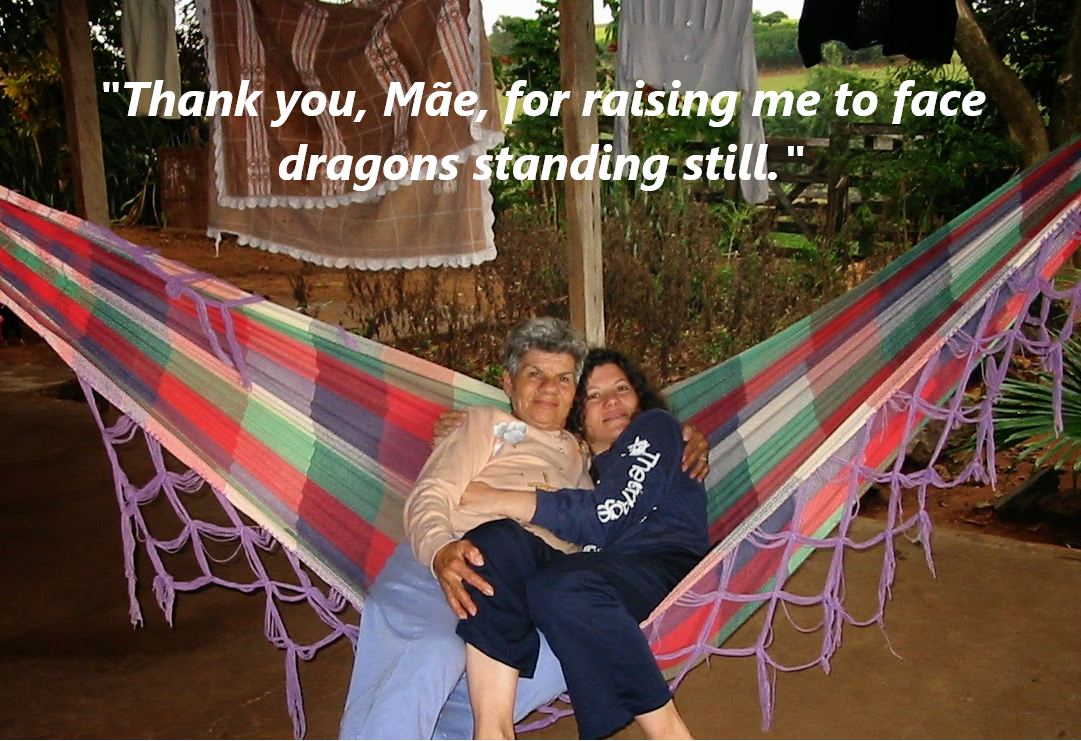
When Home Is No Longer Where We Thought It Was
There are moments in life when something breaks, not loudly, not in a single dramatic event, but quietly, through a series of doubts, lies, silences, and unanswered questions.
Sometimes it happens within family. We grow up believing that family is a place of safety, where love protects us from harm, where betrayal would be unthinkable. We carry an inner image of what family should be, sacred and unquestionable: family loves, family protects, family does not harm.
But life, oh life, in its raw honesty, sometimes presents us with experiences that do not match that inner image. And that inner image could hold, if it were not contradicted by what we actually lived. Whoever is reading this, answer to yourself: as you were growing up, did you see hurtful behaviour between adult family members that, without knowing it, was creating a background for how you see life? Even though you were born with a different inner image, did the experiences and emotions lived within your family begin to distort it?
I am not saying my family is imperfect and therefore my reality does not match the loving family I imagined. That would be ideology. I am saying that we humans have succumbed to satisfying our ego so deeply that we forgot what love, trust, connection, and loyalty truly mean.
Sometimes we get glimpses of these virtues with people outside our family. If we do not have these virtues in our family interactions, some say it is because family is our karma, and that we are born into it exactly to expand on Earth. But when we realise that family is not the home we believed it to be, grief begins.
It is not grief for what happened, because no one is perfect and we all make mistakes. It is grief for what we believed family would represent in our mind, and what it failed to be. For example, we would aim to always be truthful with each other, at least, because truth heals. Therefore, it is grief for the home we thought existed. Grief for the safety we assumed was permanent.
What hurts most is often not the event itself, but the uncertainty that follows. The unanswered questions. The silence. The lack of clarity that leaves the mind searching for explanations.
Sometimes, in moments of doubt, what we truly seek is reassurance, not confrontation. We ask questions not to accuse, but to protect the bond we still hope exists. A simple affirmation, a sincere reassurance, can restore trust and calm fear. Yet, when reassurance is not offered and our questions are turned back against us, confusion deepens. Instead of clarity, blame may emerge, and we find ourselves carrying the weight of doubt alone.
These moments do not only break communication, they also fracture the emotional safety that relationships depend on. It is often in these moments that our intuition begins to speak more loudly, urging us to pause, to observe, and sometimes to step back in order to protect our peace.
When trust feels shaken, the heart looks backward, searching for patterns, remembering past moments, trying to make sense of what no longer feels safe. Suspicion may arise, not always from imagination, but sometimes from accumulated experiences that were never fully resolved.
And yet, in the middle of that confusion, something unexpected emerges: awareness.
Awareness that we cannot control how others behave. That not everyone communicates openly. That not everyone shares the same values around truth, responsibility, or repair.
Sometimes awareness arrives slowly, a quiet realisation that what we believed to be connection was sustained more by hope than by reality. It is not because we were naïve, but because we were not yet ready to see what was already there. We live inside an image of belonging that we hold so dearly that we overlook the signs that something is not aligned. When awareness finally arrives, it feels like waking from an illusion, painful, but clarifying.
Other times, awareness does not arrive slowly at all. It comes all at once, like a sudden clarity that gathers years of small memories into one moment of understanding. A pattern once dismissed begins to reveal itself as familiar. We recognise behaviours we have seen before: words turned against us, responsibility avoided, blame redirected. Something inside us awakens, not with anger alone, but with recognition. A quiet but firm voice rises: “Not again.”
Hence, I share my understanding of what healing is. Healing revealed itself in the most unexpected way, not through confrontation, not through anger, but through stillness. It happened when I looked at the person before me and, instead of reacting with pain or rage, something inside became quiet. I saw the familiar face. I saw the pattern with clarity. I saw the manipulation. I saw the reversal of responsibility.
And for the first time, I stood still. The dragon was roaring, playing a game to reverse responsibility onto me and becoming the victim, while I was standing there, unmoved, thinking: "I see you. And you have no power here, over me." That is what it means to be standing passive in front of the dragon: not frozen, not defeated, but fully awake. Seeing clearly and choosing not to be shaken. For the first time, I stood still: no emotion moved, no anger, no pain, no hurt, not defeated, not fearful, but fully aware. Only clarity, as if a veil had fallen and now I could truly see.
This is only possible because we start to know who we are, we start to love ourselves and choose better. Instead of accepting the blame, believing in the confusion created because we want to continue the connection, we see that we no longer need to accept that.
In that moment, doubt dissolved, not because the situation changed, but because clarity arrived; and with clarity came power, the quiet power of choice. There is no more doubt, only the choice about what to do next. That is my power: to choose with clarity by seeing through the illusion of what I once thought was love.
That realisation is deeply painful, because it asks us to face something many of us fear: the possibility that the home we longed for may never fully exist in the people we hoped it would.
Letting go of our family expectation is not easy. It feels like losing something fundamental, not people, but the dream of belonging safely within them.
And yet, within that grief, another realisation quietly appears: a recognition of self. A moment of pride, not pride in being right, or better than others, but pride in knowing who we choose to be.
There comes a moment when we see behaviours in others that do not align with our values, and instead of collapsing into anger or resentment, we stand back and notice something important:
"I do not behave this way."
"I do not manipulate."
"I do not betray."
"I do not avoid truth."
And in that moment, something powerful happens. We begin to respect ourselves. We understand that the respect we yearned for from others can only be given by us, to ourselves. The time comes to say no to games, to blame, to pretending, to manipulations, to patterns where responsibility is avoided and confusion is allowed to grow without care for the damage it may cause.
We respect ourselves not because life has been easy, but because we remained faithful to our values even when circumstances tested us.
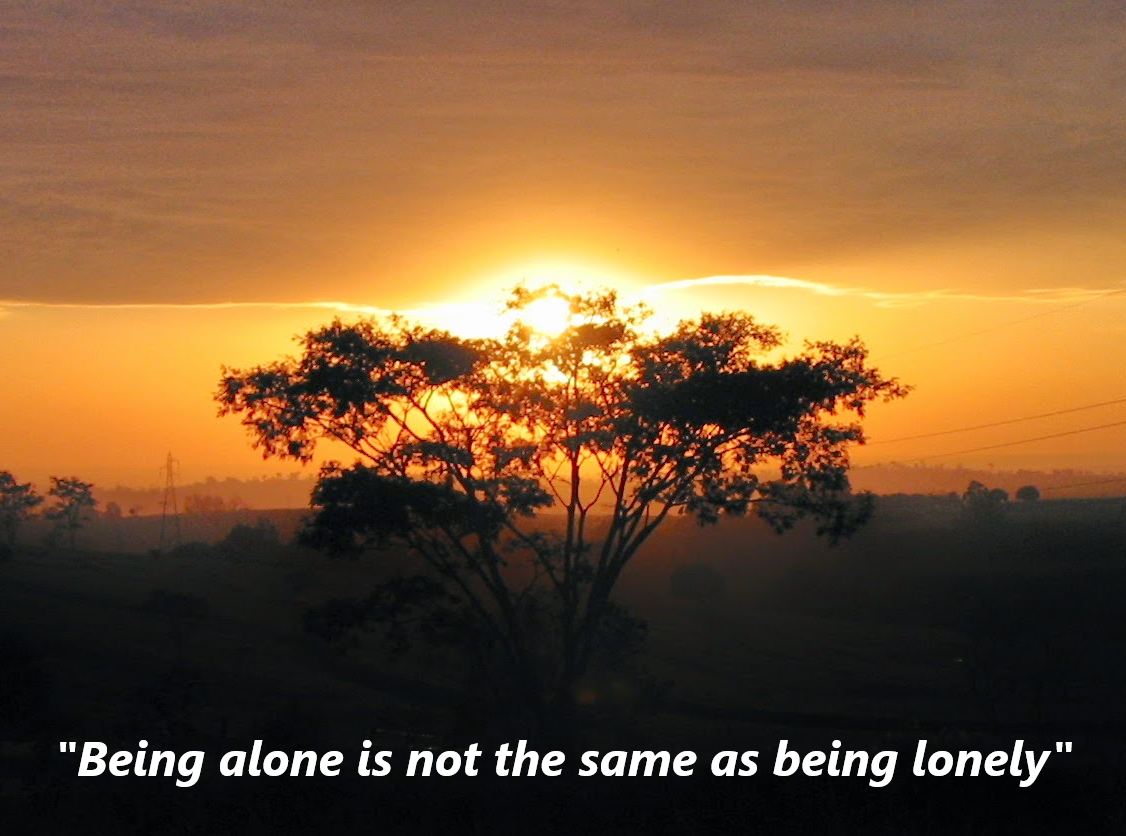
This is where healing often begins, not in changing others, but in recognising our own integrity. And with that comes another truth: being alone is not the same as being lonely.
Loneliness comes from feeling unseen, unheard, or unsafe, sometimes even when surrounded by others. Aloneness, however, can become a place of peace. A place where we learn to live within ourselves with honesty, dignity, and self-respect.
After facing disappointment within family, many people discover that home begins to shift. It moves from something external, dependent on others, to something internal, built slowly through self-awareness and emotional maturity.
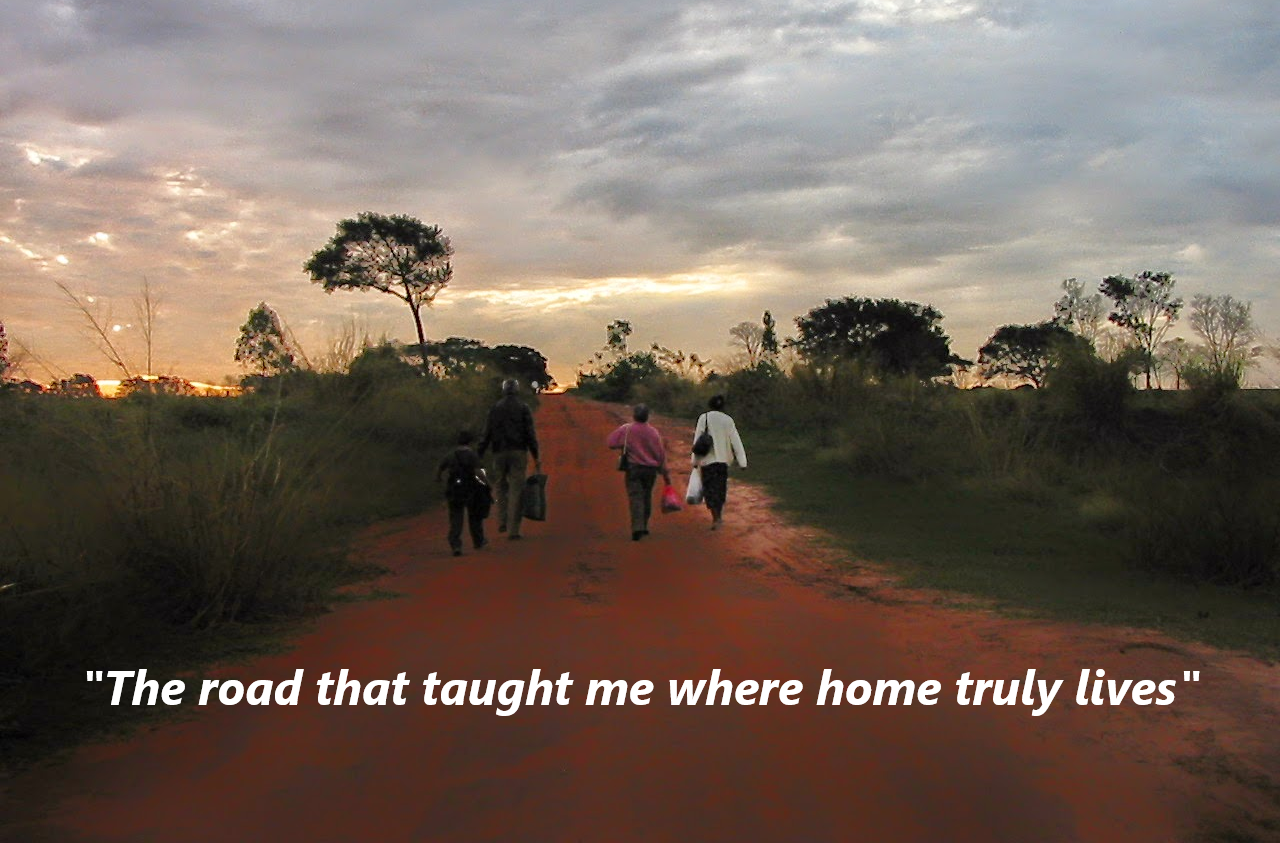
We realised that home was not lost, but rediscovered in different places, and that it is not always found within the family structure, but in the presence and memories of those who loved us, who fought to keep connections alive. Home can also be found in the land we walked, in the memories that stayed, and in the simple act of being present. Walking by the sea. Sitting quietly with our thoughts. Sharing moments with people. Caring for a pet. Writing reflections. Listening to music that brings back memories of innocence. Feeling proud of your values.
This shift in perception becomes a new form of belonging, not a replacement for family, but a foundation for emotional stability.
Another important step in this journey is understanding that not everyone has the same emotional capacity. Some people avoid difficult conversations because they fear conflict. Some remain silent because they feel shame. Some deny responsibility because acknowledging mistakes feels unbearable to their identity.
Understanding this does not excuse harmful behaviour, but it helps us release the exhausting expectation that everyone will act with the same clarity we strive to uphold.
Healing does not always mean restoring relationships. Sometimes healing means redefining boundaries. Sometimes it means loving others without trusting them blindly. Sometimes it means letting go of the expectation that truth will be acknowledged. And sometimes, healing begins when we recognise that peace does not depend on others changing, but on us remaining faithful to our values.
One of the most powerful realisations a person can have is this: "I love where I live, within myself."
It does not mean life is perfect, or that pain has disappeared. It means that integrity remains intact and values remain visible, because despite disappointment, we did not lose ourselves.
Many people carry similar stories, stories of misunderstanding, silence, broken trust, or unresolved questions. If this reflects your own experience, know this:
Healing is possible. Healing is not erasing the past, but learning to stand firmly within who you are, knowing you are sovereign. You learn to protect your boundaries. You gain clarity and begin to choose peace where chaos once lived.
Slowly, gently, you discover that home was never entirely lost. It was waiting, all along, within you.
And in that discovery, we realise that belonging was never meant to be found only in others, but cultivated within ourselves, where truth, dignity, and peace can finally live without fear.